Knee Pain During Workouts: What Actually Fixed It for Me
My knees were bothering me for a while. Not a specific injury, just that nagging, grinding, this-is-not-right kind of pain that shows up during workouts and does not fully go away. I tried a few things and eventually figured out what actually worked. Here is all of it.
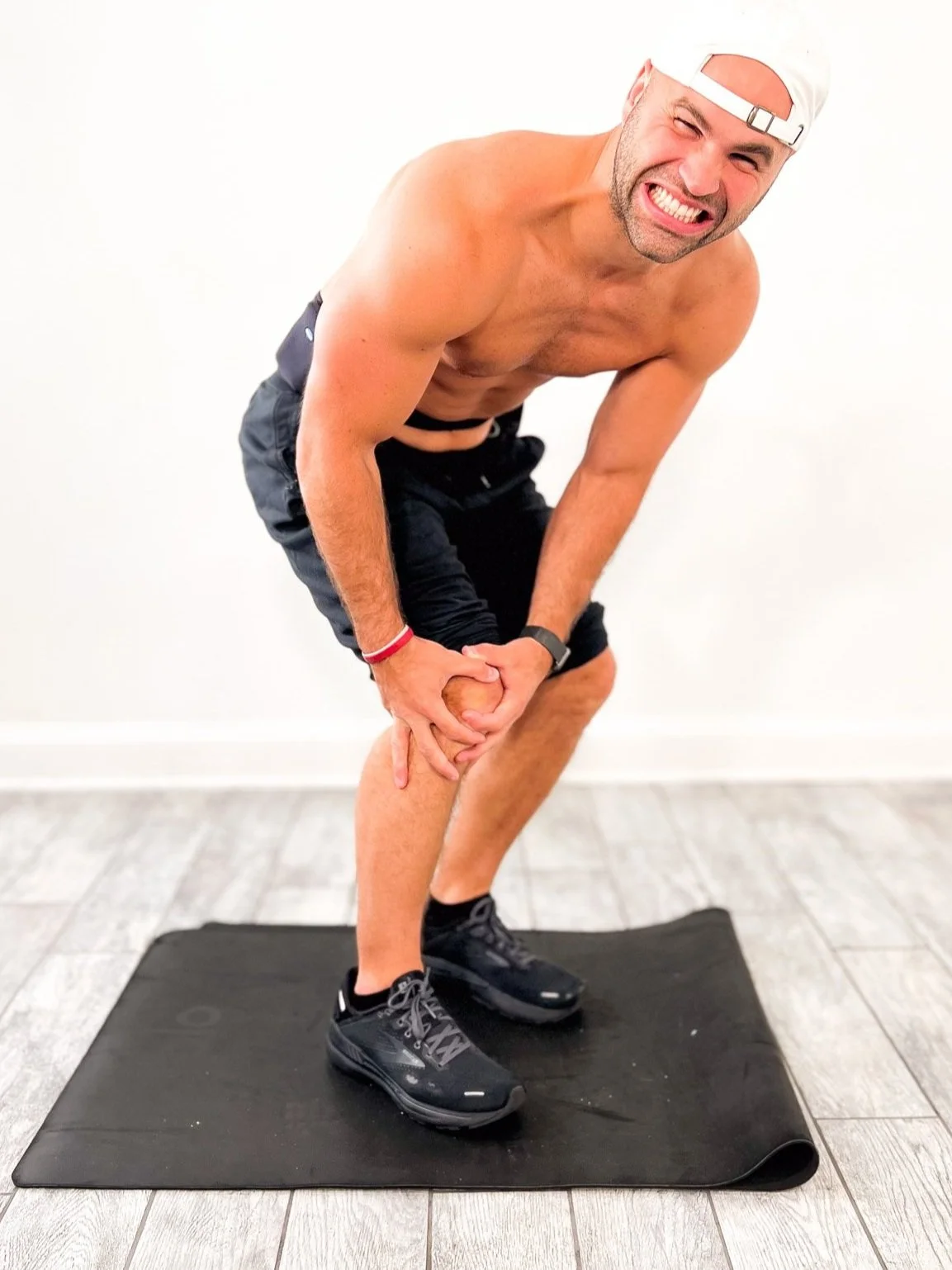
Why Knee Pain Happens in Workouts
Knee pain during exercise is rarely just a knee problem. The knee is a hinge joint sitting between two major muscle groups: your quads above it and your calves below it. When either of those is tight, weak, or overworked, the knee absorbs the stress that those muscles should be handling. That is usually where the pain comes from.
The other big factor is impact. High-impact movements like jumps, burpees, and squat variations put a lot of load through the knee joint on the landing. If your footwear is not absorbing that impact properly, or if your landing mechanics are off, the knee takes the hit every single rep.
Here is what I changed that made the pain go away completely.
Step 1: Get the Right Shoes
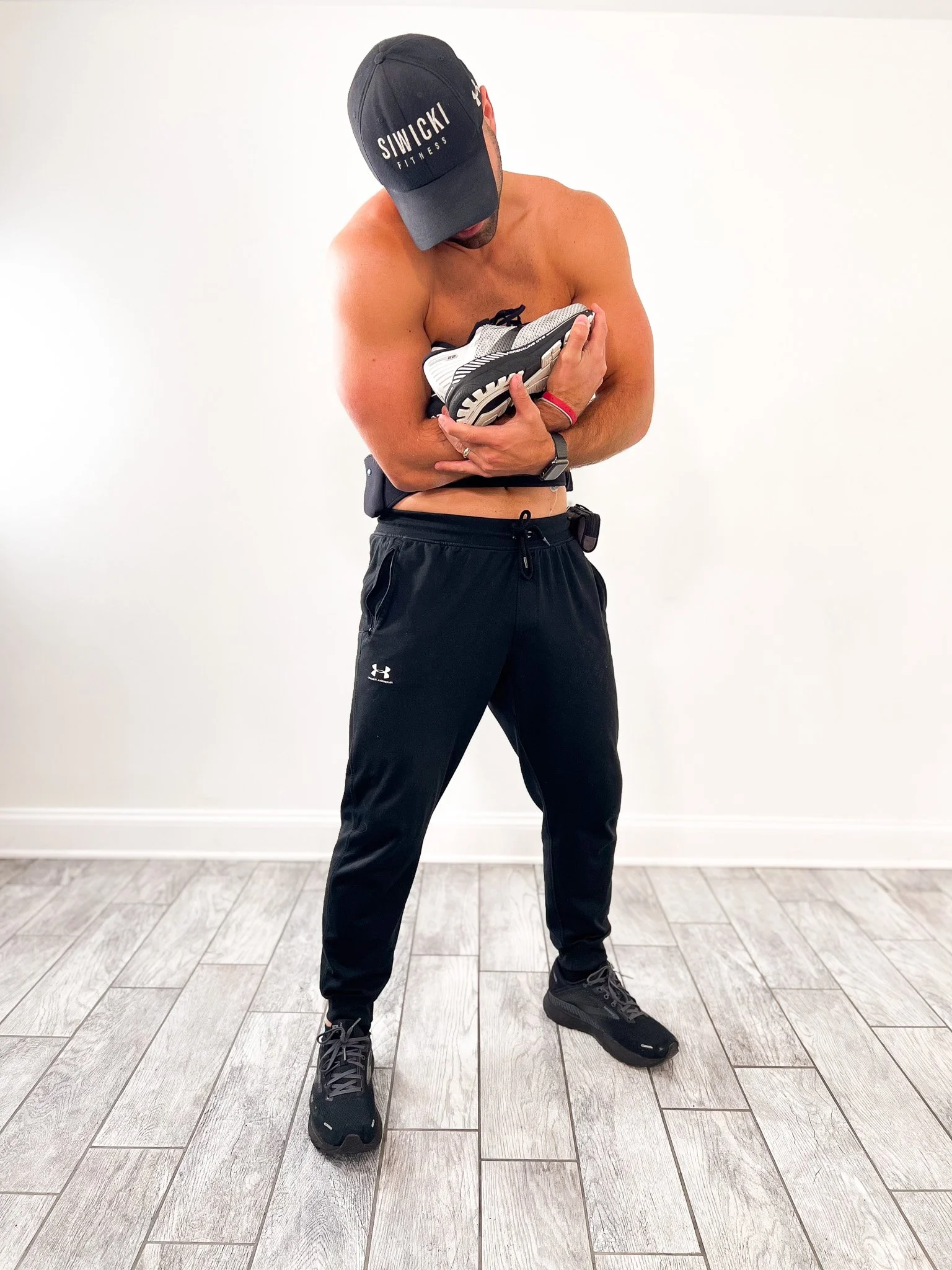
This was the biggest single change I made and I did not expect it to matter as much as it did. I switched to Brooks Adrenaline and the difference was immediate. My knees, my back, my ankles. Everything that had been nagging me just felt better. I genuinely could not believe it at first.
Most people are working out in whatever shoes they already own. Running shoes, casual sneakers, old cross-trainers. If those shoes do not have proper cushioning and support for high-impact training, your joints are absorbing every landing without any help. Over hundreds of reps that adds up fast.
Brooks Adrenaline GTS
The shoe that fixed my knee, back, and ankle pain. Proper cushioning, great stability, built for high-impact movement. This is the one I wear and the one I recommend to members who are dealing with joint pain.
Step 2: Roll Out Your Quads and IT Band
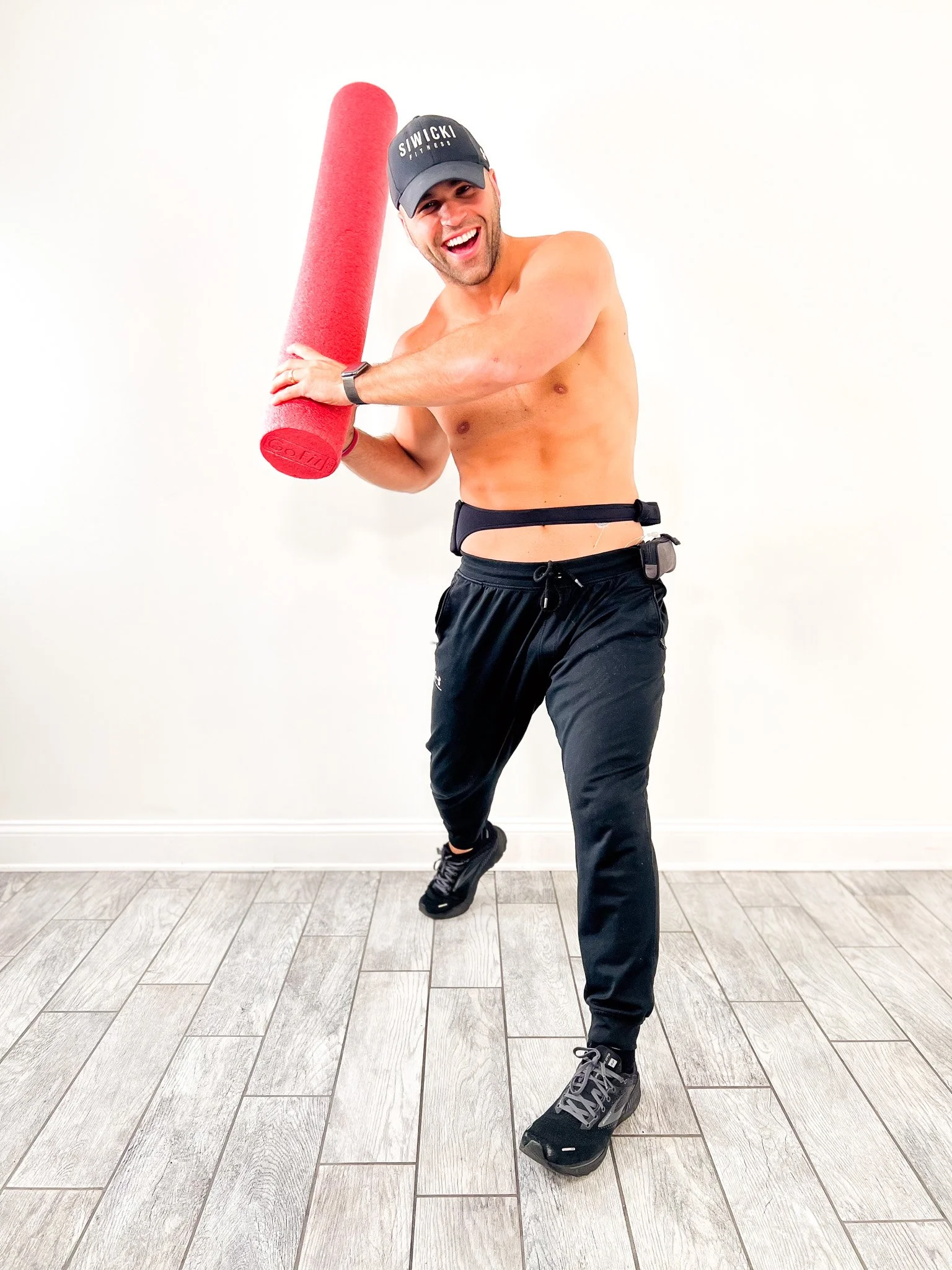
Your quad muscles attach directly inside your knee. When they are tight, they pull on the knee joint with every movement. Most people never roll out their quads and then wonder why their knees hurt after squats and lunges.
The IT band runs down the outside of your leg from your hip to just below the knee. When it gets tight from repetitive movement, it creates friction at the knee that causes that burning, grinding sensation on the outer edge of the joint. Rolling it out regularly keeps it from seizing up.
How to Roll These Out
- Quads: Lie face down with the roller under your thighs. Roll slowly from just above the knee up to your hip. Pause on any spots that feel tight and hold for 10 to 20 seconds
- IT band: Lie on your side with the roller under the outside of your thigh. Roll from just below the hip down toward the knee. This one is uncomfortable at first. That is normal
- Inner thigh: Same position but rotate slightly to hit the inside of the leg. Often overlooked and often tight
- Do this before and after workouts, and on rest days if you are dealing with ongoing pain
Foam Roller
Any solid foam roller works. Firmer density gives you a deeper roll and lasts longer. I use it on my quads, IT band, and inner thigh before every workout session.
Step 3: Get a Thicker Mat
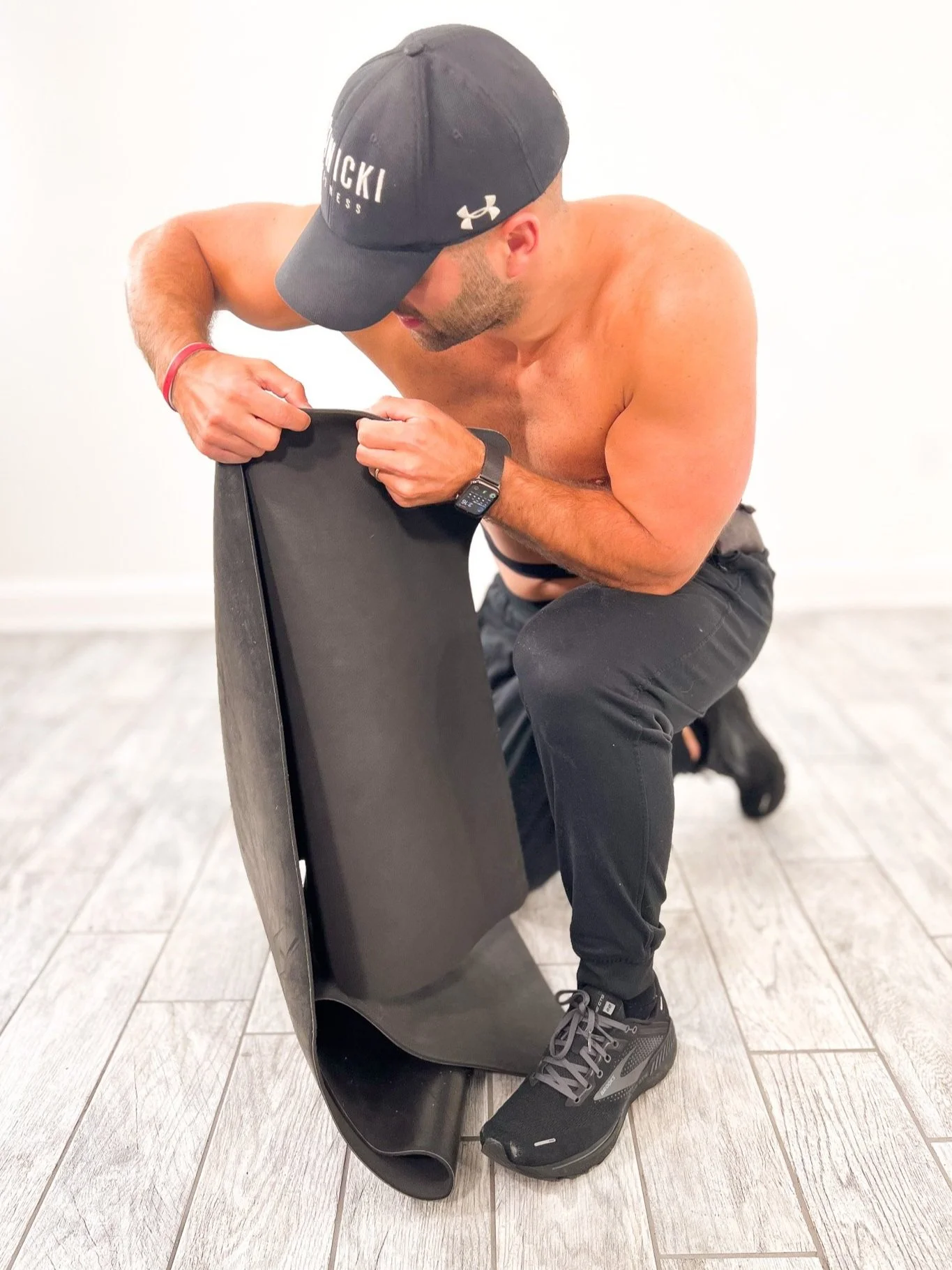
Standard yoga mats are about 3mm thick. That is fine for stretching and floor work. It is not enough cushion for high-impact workouts that involve jumping, squat landings, and repeated ground contact. If you are doing these workouts on a thin mat over hardwood or tile, your knees are feeling every single impact.
I switched to a thicker mat, 6mm or more, and it made a noticeable difference in how my knees felt during and after workouts. It is a small change with a real effect, especially for anyone dealing with that dull aching pain that shows up after higher-rep, higher-impact sessions.
ALO Yoga Mat (6mm+)
Thick enough to actually absorb impact, grippy enough to stay in place during dynamic movements. Worth the upgrade if you are training at home on hard floors.
Step 4: Fix Your Landings
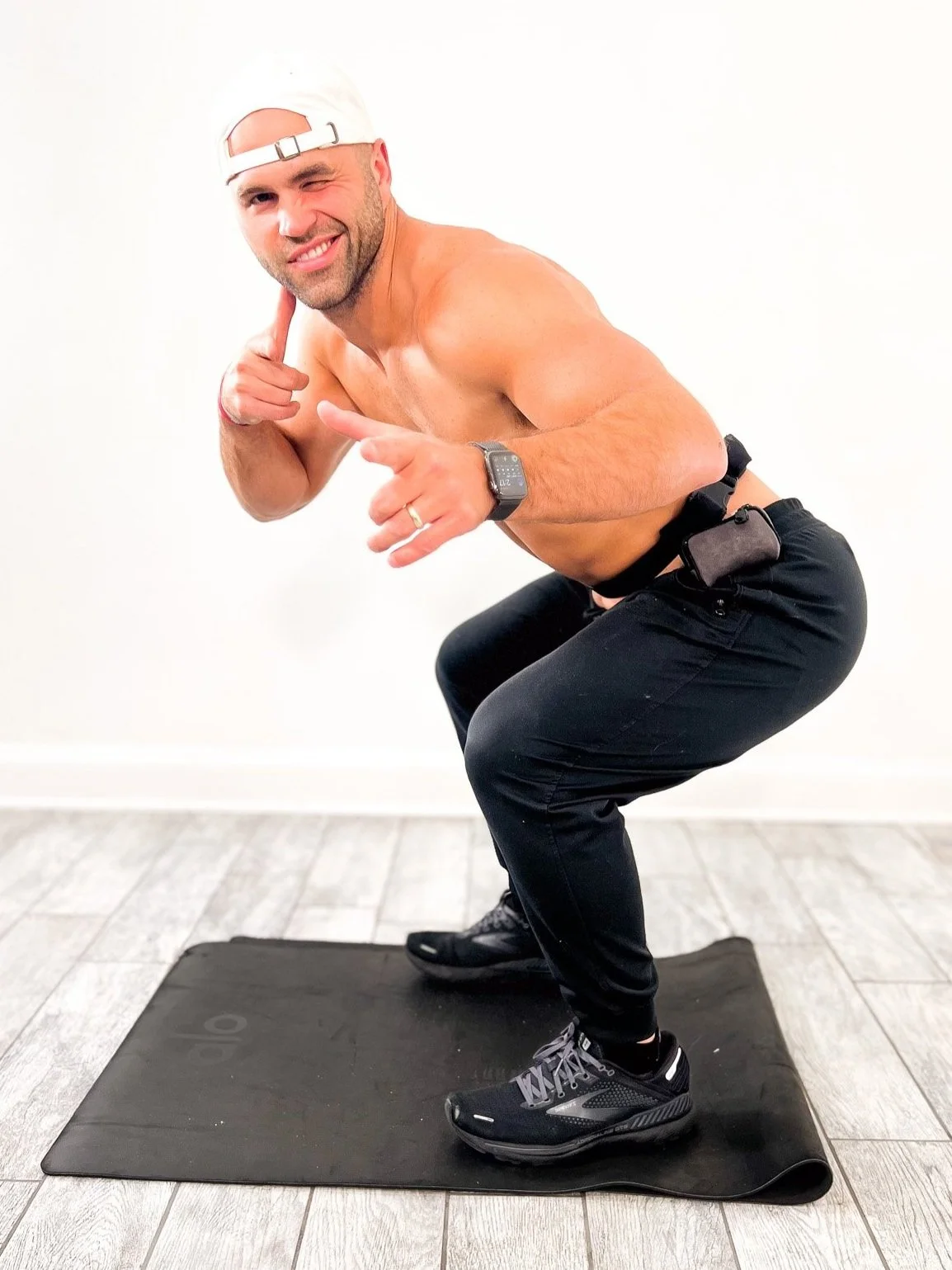
This one takes the least money and makes a big difference. Most people land from jumps with stiff legs, hitting the ground hard with the weight going straight through the knee joint. A soft landing means bending into it, absorbing the impact through your hips, quads, and glutes instead of your knee.
Here is the cue I use in class: imagine someone is sleeping directly beneath your floor. You want to jump high but land so softly they do not wake up. That mental image completely changes how people land. You go from stomping to floating down, and the knees stop taking the hit.
Land softly. Bend into it. Let your hips, quads, and glutes absorb the impact. Your knees will thank you for every single rep.
Landing Mechanics Checklist
- Land on the balls of your feet first, not your heels
- Bend your knees immediately on contact, do not land stiff-legged
- Keep your knees tracking over your toes, not caving inward
- Think about sitting back slightly into your hips as you land
- The sound of your landing should be quiet. If it is loud, you are landing too hard
The Full Fix in Four Steps
I did all four of these things together and the knee pain went away completely. I am not saying one of them alone would have done it, because I genuinely do not know. What I know is that together they addressed every part of the problem: the impact absorption, the muscle tightness, the surface cushion, and the mechanics.
Summary
- Shoes: Brooks Adrenaline. Proper cushioning and support for high-impact training
- Foam roller: Quads, IT band, inner thigh. Before and after every session
- Thick mat: 6mm or more. Especially important on hard floors
- Soft landings: Land quiet, bend into it, track your knees over your toes
Train smarter, not harder
Live virtual classes with a coach who cues your form, watches your landings, and makes sure you are moving right. Try everything free for a week with no credit card and no commitment.
Start Your Free Week