Why You Are Not Losing Weight: The Real Factors Behind Weight Gain
Eat less, exercise more. If it were really that simple, the people who are doing both and still not losing weight would not exist. But they do, and I work with them every week. Weight gain and weight loss are not as straightforward as calories in and calories out. Here are the real factors that most people never address.
Insulin Resistance
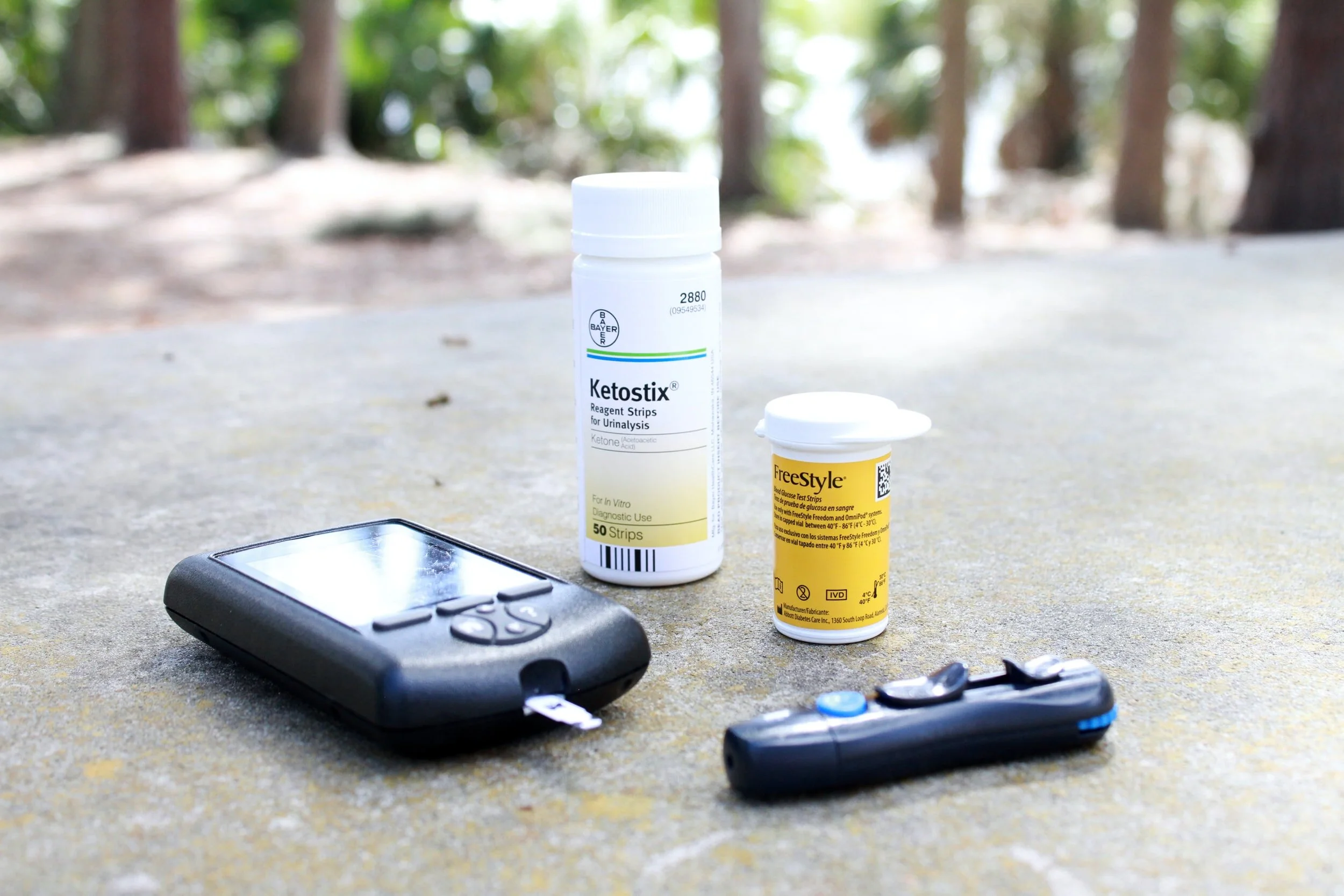
Insulin's job is to help your body convert food sugars into energy. But when you consistently consume too many sugary foods and drinks, your body gradually loses its ability to respond to insulin effectively. The pancreas compensates by producing more and more insulin, which creates a vicious cycle that over time pushes blood sugar and insulin levels to dangerous levels.
That excess sugar in the bloodstream that cannot be converted into energy gets stored as abdominal fat. It also creates a dependency on sugar as a fuel source, which drives the cravings and energy crashes that make it so hard to change the pattern. This is insulin resistance and it affects roughly 1 in 3 Americans, in many cases without them knowing it.
1 in 3 Americans has some degree of insulin resistance. Many have no idea. Left unaddressed, it significantly increases the risk of Type 2 Diabetes.
The most effective ways to improve insulin sensitivity are consistent strength training, reducing processed sugar and refined carbohydrates, getting adequate sleep, and managing chronic stress. These are not quick fixes but they address the actual mechanism behind the problem.
Hormones

Leptin and Ghrelin
Leptin and ghrelin are the hormones that control how full you feel after eating and how strong your cravings are. When you are carrying excess weight, fat cells produce more leptin but the body becomes resistant to its signal. Instead of telling you that you are full, elevated leptin can drive you to eat more. Ghrelin, the hunger hormone, compounds the problem by spiking more aggressively when you are sleep-deprived or chronically stressed.
Thyroid Function
Your thyroid regulates your metabolism by controlling the speed at which you burn calories. When the thyroid is underperforming, which affects roughly 5 out of every 100 people in the US, it causes fluid retention, weight gain, fatigue, and constipation. It can make weight management feel nearly impossible regardless of how well you are eating and training. If you are doing everything right and still not seeing results, getting your thyroid levels checked is worth a conversation with your doctor.
Estrogen Dominance
When estrogen and progesterone are out of balance, even if both levels are low overall, the result is called estrogen dominance. Having too much estrogen relative to progesterone causes weight loss resistance, bloating, mood swings, PMS, and heavy periods. This is a hormonal issue, not a discipline issue, and it requires a different approach than simply training harder or eating less.
Cortisol
Chronic stress drives cortisol levels up, and elevated cortisol tells your body to store fat specifically around your midsection. It also disrupts sleep, increases cravings for sugar and processed food, and breaks down muscle tissue. If you are training hard and eating well but living in a state of chronic stress, your cortisol levels may be actively working against everything else you are doing.
If you feel like you are doing everything right and still not losing weight, it is worth looking at sleep, stress, and hormones before assuming the problem is effort or discipline.
Genetics
Genetics do play a role in how and where your body stores fat. The FTO gene, sometimes called the fat-mass and obesity-associated gene, influences the hormones that regulate hunger and satiation. Several other genes affect how your body metabolizes fats, carbohydrates, and protein.
Genes that impact your stress response also affect weight management significantly. They influence the reward pathways in your brain, which shapes how you use food to cope with stress or emotion. Understanding your genetic predispositions through testing can be genuinely useful for people who have tried a variety of approaches without results. It is not an excuse. It is information you can use to build a more targeted approach.
That said, genetics load the gun but lifestyle pulls the trigger. The people I have seen make the biggest transformations were often working against a genetic disadvantage. They just had to be more deliberate about how they trained and ate than someone with more favorable genetics might need to be.
Toxins
This one surprises people. Environmental toxins can actually contribute to weight gain and make fat loss significantly harder. When your body is exposed to toxins it cannot safely eliminate, it protects you by encasing them in fat cells. The more toxins present, the more fat cells your body needs to contain them.
Research has shown that early-life exposure to BPA, a chemical found in many plastics, can increase fat storage. Heavy metals and pesticides are also documented contributors to thyroid dysfunction, which creates the hormonal weight gain described above. Reducing exposure to processed foods, conventional produce with high pesticide loads, plastic food containers, and synthetic personal care products is a practical starting point.
Reducing your toxic load is not a quick fix but it removes a genuine obstacle that a lot of people do not know they are dealing with.
If you have tried everything and cannot figure out why the scale will not move, it is worth looking at the full picture. Training and nutrition are the foundation. But hormones, sleep, stress, genetics, and toxic load all matter too.
Want a coach who actually looks at the full picture with you? Siwicki Fitness is built around real guidance, not generic programs. Try everything free for a week.
Start Your Free Week