How to Actually Lose Weight and Keep It Off (What Most Programs Get Wrong)
Most of the weight loss advice aimed at women is either wrong, incomplete, or designed to sell you something. Here is what I have actually seen work, training women at every fitness level for years.
Why Most Approaches Do Not Work
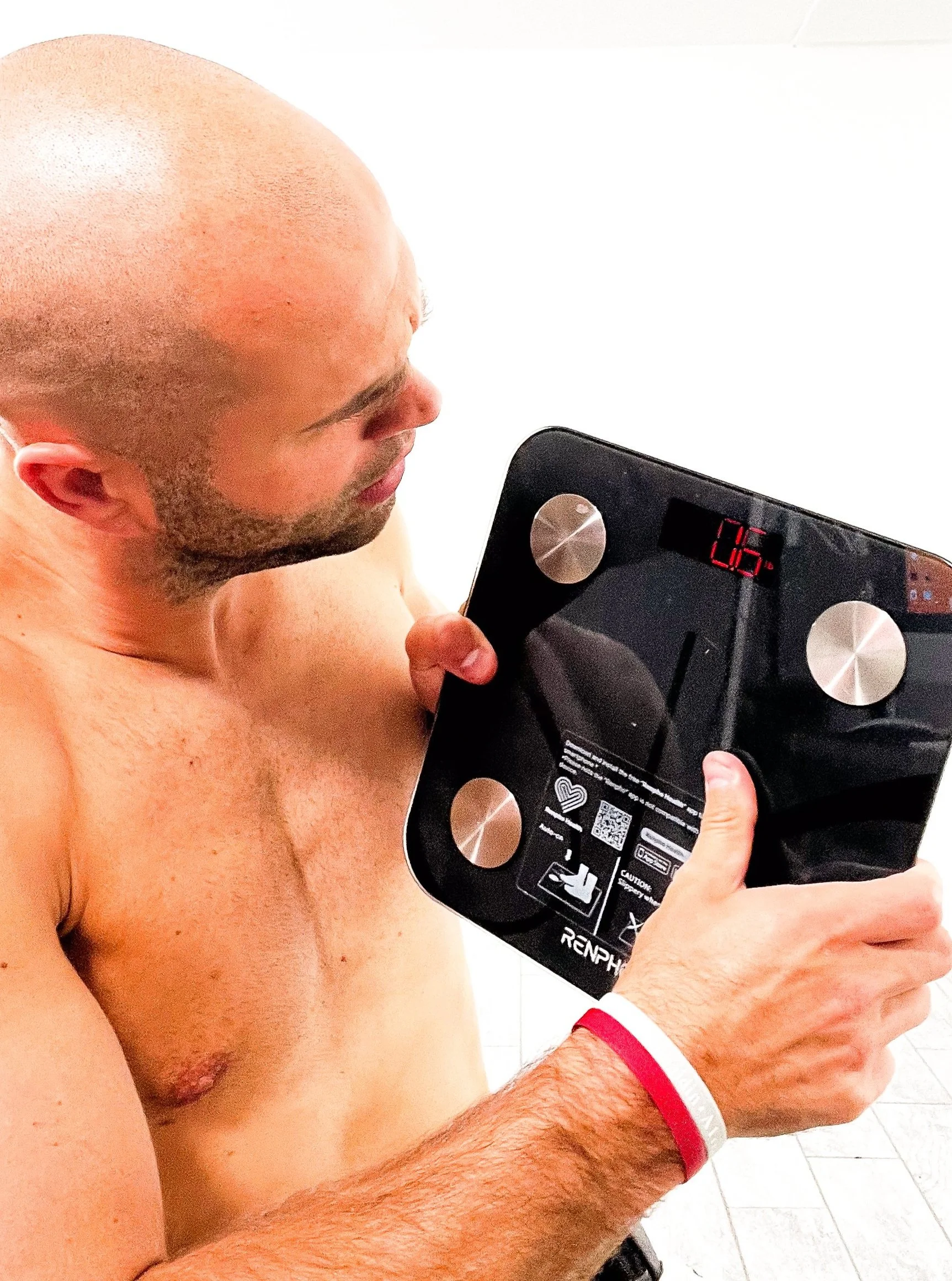
The standard advice is always some version of the same thing. Eat less, move more, cut carbs, do more cardio. And it does produce results, at first. The scale moves, you feel like it is working, and then it stops. The weight comes back. You feel like you failed. You start over.
That loop is not a willpower problem. It is a method problem. The approach itself is flawed, and the fitness industry keeps selling it because it keeps people coming back.
The women I have trained who get the best results and keep them are not doing extreme things. They are doing the right things consistently. That is a completely different approach.
Strength Training First
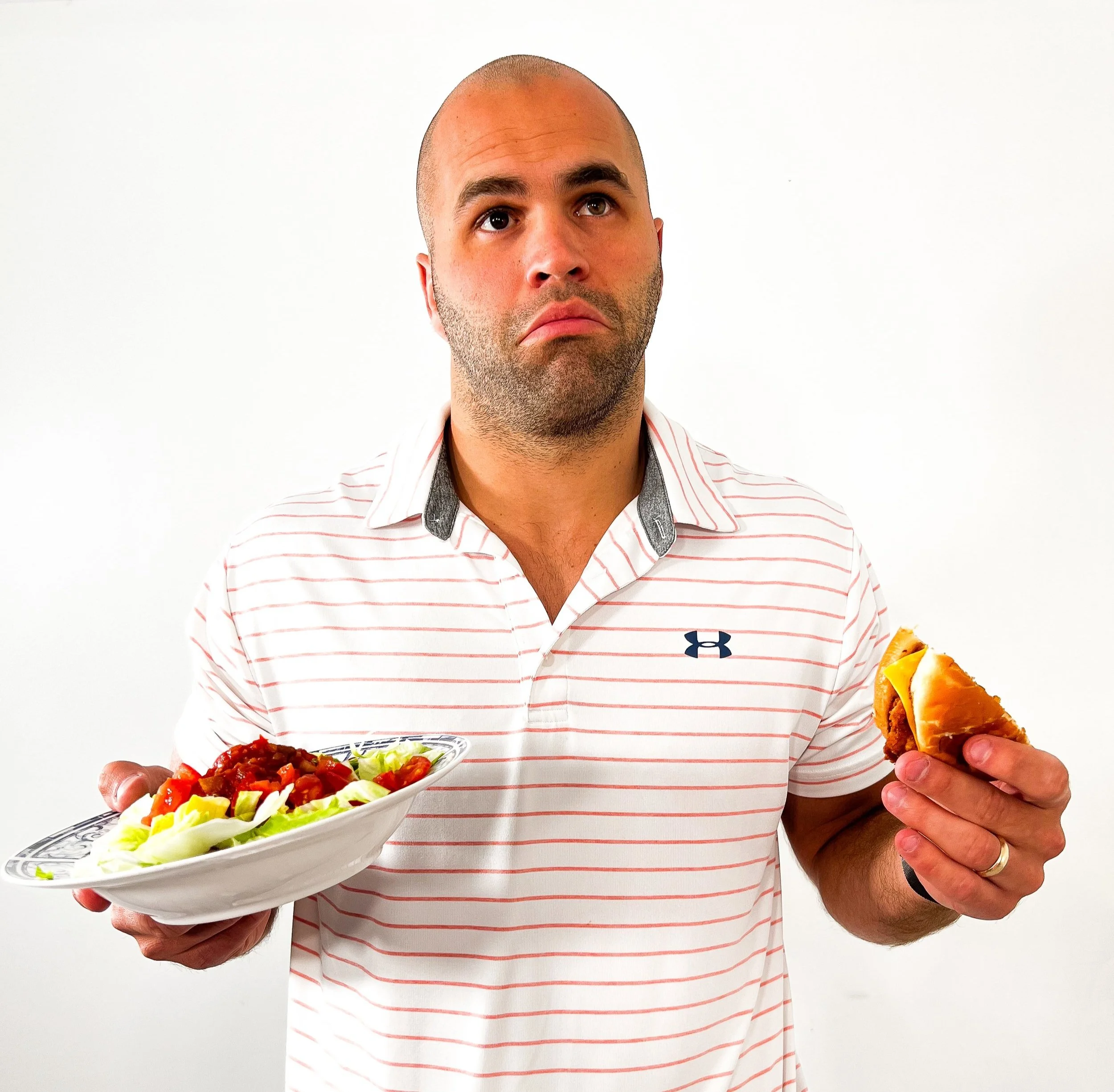
This is the single biggest shift most women can make. Not more cardio. Strength training.
I understand why cardio feels like the answer. It burns calories in the moment, you feel like you worked hard, and you can see the effort on a treadmill readout. But cardio does not change your shape. Strength training does. Muscle is what gives your arms definition, what tightens your waist, what changes how your clothes fit. You build muscle through strength training, not through running.
The women who transform their bodies most dramatically are almost always the ones who stopped doing cardio-only routines and started lifting. It happens consistently, and the results are not subtle.
What a Strength Training Week Looks Like
- 3 full body strength sessions per week. Push to get stronger every single week
- 1 to 2 intentional cardio sessions (walks, incline walking, bike), not random, not excessive
- Daily steps. Underrated and compounds fast over weeks
- 1 to 2 rest or mobility days. Recovery is where the adaptation actually happens

Protein Changes Everything
If there is one nutritional shift that makes the biggest difference for the women I train, it is protein. Not counting calories, not cutting carbs. Just getting enough protein at every single meal.
Protein is what your body uses to build and maintain muscle. Without enough of it, even if you are training hard, you are working against yourself. You will lose weight but you will lose muscle along with fat, which leaves you smaller but not stronger, not more defined, and with a metabolism that is slower than before you started.
Inflammation Is Holding You Back
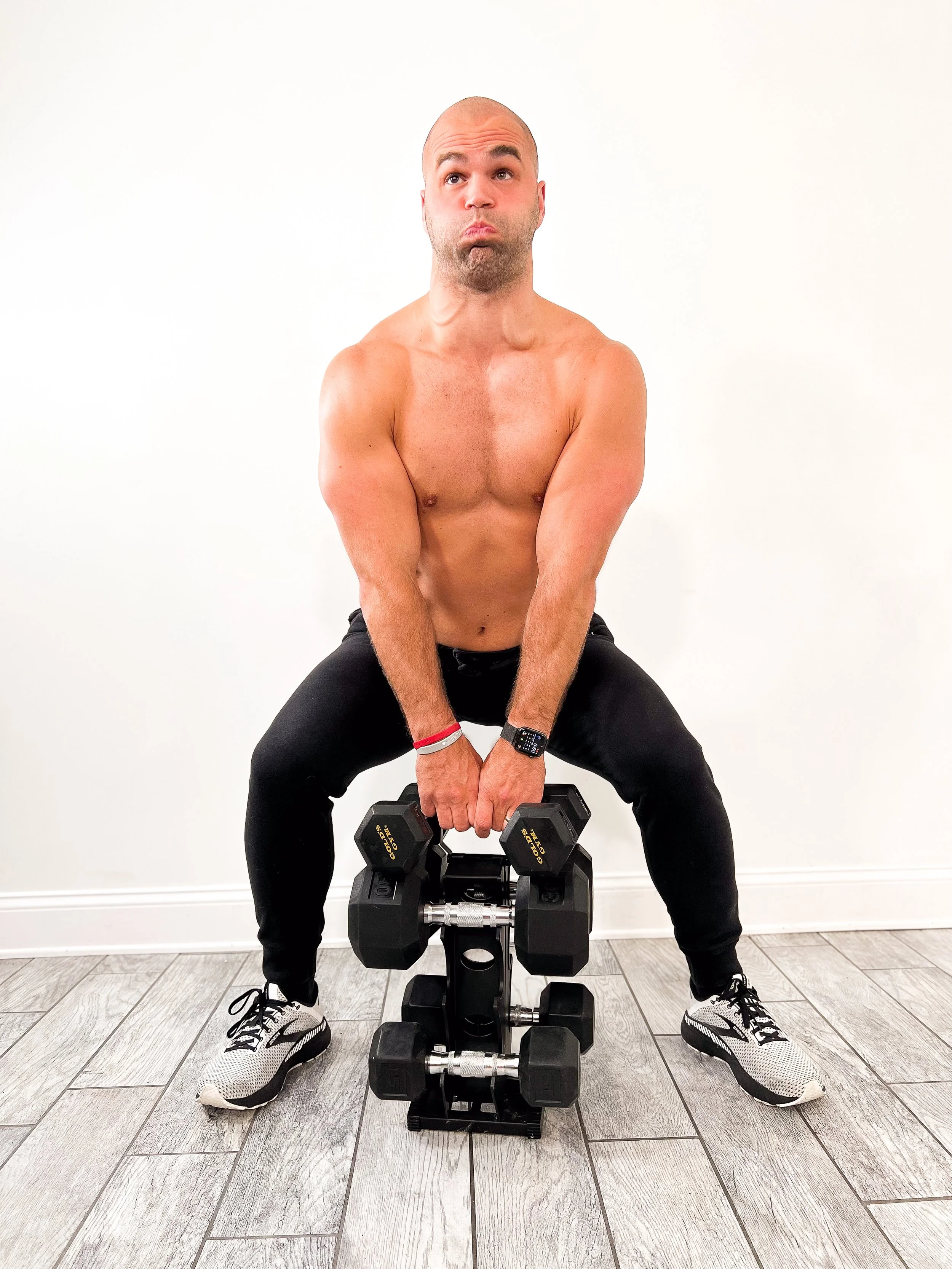
This is the one most people never hear about. You can be eating a reasonable number of calories, training consistently, and still feel stuck, bloated, and exhausted. In a lot of cases the culprit is inflammation from the foods that are quietly working against you every single day.
Processed foods, seed oils, refined sugar, and excess alcohol all trigger chronic low-level inflammation that makes fat loss harder, disrupts your hormones, tanks your sleep quality, and causes the kind of water retention and puffiness that makes you feel like nothing is working even when you are doing everything right.
Remove These for 2 Weeks and Track What Changes
- Seed oils: canola, soybean, vegetable, sunflower, corn oil
- Processed snacks: anything in a bag or box with a long ingredient list
- Refined sugar: sodas, juice, candy, most bottled sauces and dressings
- Alcohol: even moderate amounts disrupt sleep, recovery, and fat metabolism
Most women notice a dramatic shift within 10 to 14 days. Less bloating, better sleep, more energy, clothes fitting differently. Not because of calorie restriction. Because the inflammation is gone and the body can actually do its job.

Sleep and Stress Are Not Optional
I know this sounds like filler advice. It is not. Elevated cortisol from chronic stress and poor sleep directly inhibits fat loss. It increases fat storage, particularly around the midsection. It disrupts the hormones that regulate hunger, which is why stressed, under-slept people always feel hungrier and make worse food choices. It tanks workout recovery so even when you do train you are not getting the adaptation you earned.
You cannot out-train or out-eat chronic stress and sleep deprivation. They will undermine everything else you are doing. If you are sleeping less than 7 hours consistently, fixing that will do more for your body composition than any training change you could make.
Non-negotiable recovery habits
- 7 to 9 hours of sleep. Growth hormone is released during deep sleep. This is when your body actually changes
- Phone out of the bedroom or off at least 30 minutes before sleep
- At least 1 to 2 full rest days per week. Not active recovery. Rest
- Some form of daily stress outlet: a walk, a workout, time outside, time away from screens
Set a Goal That Is About More Than the Scale
The scale is a useful tool but a terrible scorecard. It does not tell you how much muscle you have built, how much inflammation has gone down, how your energy has changed, or how differently your clothes are fitting. I have had members lose 10 pounds on the scale while looking dramatically more toned and athletic, and I have had members not move the scale for a month while their body composition changed completely.
The women who get the best long-term results set goals that go beyond a number. They want to feel strong. They want to keep up with their kids. They want to look athletic and feel confident. They want a routine they can actually sustain. When those are the goals, the process is completely different from white-knuckling a countdown to a number on a scale.
You did not gain the weight in one day and you are not going to lose it in one day. The goal is to build something real, not to survive a countdown.

The Simple Version
If you take nothing else from this post, take these four things:
The Four Things That Actually Work
- Strength train 3 times a week. This is what changes your shape. Cardio alone will not do it
- Protein at every meal. Make it the anchor of every plate. Everything else is secondary
- Cut the inflammatory foods. Seed oils, processed snacks, refined sugar, excess alcohol. Two weeks off these and you will feel the difference
- Protect your sleep. No training program will outwork consistent sleep deprivation. Start here if you are not already
None of this is complicated. It is just not what most fitness content tells you because none of it involves buying a special product or subscribing to a new program every month. It is just the actual work, done consistently, over time. That is what changes bodies.
Ready to do it the right way?
Start your free trial and train live with a coach who knows your name and keeps you progressing. No credit card, no commitment, full access for 7 days.
Start Your Free Week